
IQF whole blueberries give food manufacturers a convenient, consistent and versatile way to add real fruit to a wide range of products. Individually quick frozen shortly after harvesting, the berries retain their recognisable shape, natural colour and characteristic sweet-tart flavour while remaining free-flowing and easy to portion.
For manufacturers developing bakery products, smoothies, desserts, dairy lines or frozen fruit blends, IQF blueberries offer several practical advantages over fresh fruit. They provide year-round availability, reduce preparation requirements and help businesses manage waste, quality and production costs more effectively.
What Are IQF Whole Blueberries?
IQF stands for Individually Quick Frozen. During the IQF process, whole blueberries are frozen separately at very low temperatures rather than being frozen together in a solid block.
Rapid freezing limits the formation of large ice crystals that can damage the fruit’s cellular structure. As a result, IQF whole blueberries generally retain their shape, colour, flavour and texture more effectively than fruit frozen more slowly.
Because every berry remains separate, manufacturers can dispense the required quantity directly from frozen. There is no need to defrost an entire block, making recipe control and production planning considerably easier.
Manufacturers looking for more information about this freezing method can also explore Frucom’s IQF Fruit FAQs.
What Are the Benefits of Using IQF Blueberries?
The principal benefit is consistency. Fresh blueberries naturally vary according to season, weather, origin and maturity. An appropriately specified IQF product provides manufacturers with more predictable piece size, appearance and performance across repeated production runs.
Other important benefits include:
- Year-round access to blueberries beyond the fresh harvesting season
- Free-flowing fruit for accurate weighing and portion control
- Reduced washing, sorting and preparation time
- Less spoilage and avoidable ingredient waste
- Extended frozen storage compared with fresh berries
- Easy incorporation into automated or high-volume processes
- A recognisable fruit ingredient suitable for many clean-label formulations
IQF blueberries can be used straight from the freezer in numerous applications. This can reduce handling and simplify workflows, although the correct procedure will always depend on the recipe and manufacturing process.
For a wider look at these production advantages, read Frucom’s guide to the benefits of IQF fruit.
How Can IQF Whole Blueberries Be Used?
Whole frozen blueberries are suitable for products where visible fruit, natural colour and a distinctive berry flavour add consumer appeal.
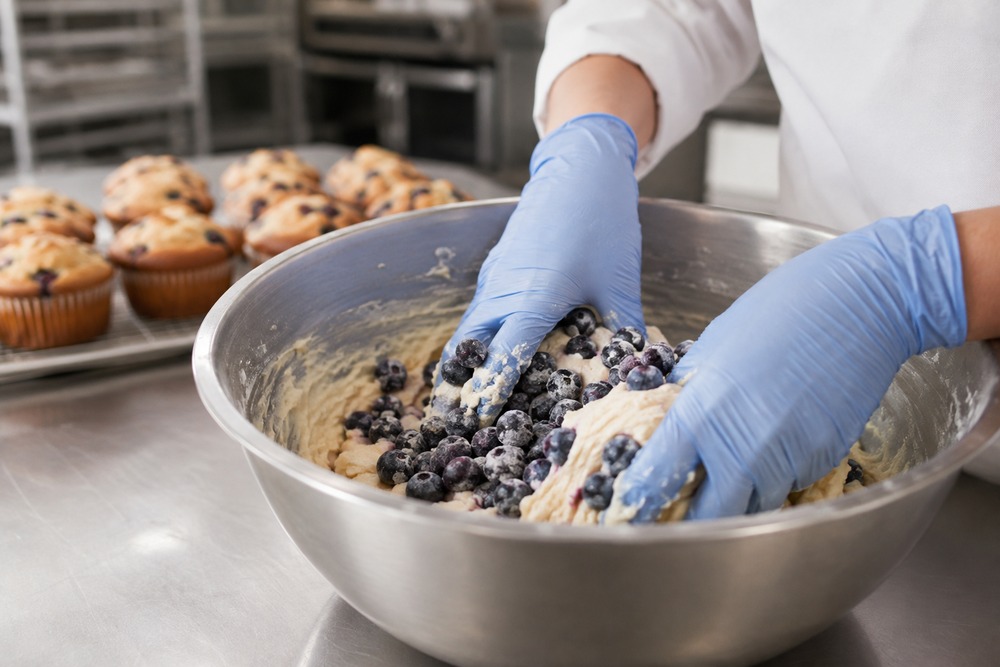
In bakery manufacturing, they can be incorporated into muffins, cakes, pastries, pancakes and sweet breads. Careful handling helps maintain whole pieces and control colour migration into doughs and batters.
For dairy and frozen desserts, IQF blueberries can be used in yoghurt, ice cream, sorbet and fruit preparations. They also work well in smoothie mixes, frozen fruit packs and beverage formulations.
Further applications include:
- Breakfast cereals and porridge products
- Cheesecakes, pies and dessert toppings
- Jams, compotes and sauces
- Fruit fillings and inclusions
- Foodservice desserts
- Ready-to-blend smoothie portions
- Mixed berry retail packs
Blueberries can also be combined with other frozen fruit ingredients to develop smoothie blends, desserts and fruit preparations. Manufacturers can explore Frucom’s wider IQF fruit range for complementary ingredients.
The most suitable berry specification may vary by application. Size, flavour profile, firmness and expected thawing behaviour should all be considered during product development.
Are Frozen Blueberries as Nutritious as Fresh Blueberries?
Blueberries naturally provide fibre, vitamin C and plant compounds including anthocyanins, the pigments associated with their deep blue-purple colour.
Freezing is a recognised preservation method, and research indicates that IQF processing can help retain important blueberry components, including anthocyanins and antioxidant capacity. However, the exact nutritional profile of any finished product will depend on the fruit, processing conditions, storage and subsequent manufacturing method.
For manufacturers, IQF whole blueberries can support products centred on real fruit, recognisable ingredients and naturally vibrant colour. Any nutritional or health claims used on packaging should be assessed against the final formulation and relevant UK or EU requirements.
Do IQF Blueberries Need to Be Defrosted Before Use?
Not always. In many bakery, smoothie and frozen-product applications, blueberries can be added while still frozen. Using them directly from frozen can help preserve piece integrity and reduce juice release during handling.
Some recipes may require controlled defrosting, particularly where the fruit will be blended, cooked into a sauce or incorporated into a chilled preparation. Trials should establish how the berries behave in the intended process.
Storage temperatures and handling instructions supplied with the product should always be followed. Maintaining the frozen cold chain is essential for quality and food safety.
What Should Manufacturers Look for in an IQF Blueberry Supplier?
Price is only one part of ingredient sourcing. Manufacturers should also consider product consistency, traceability, technical documentation, food safety controls and continuity of supply.
Useful questions include:
- What is the blueberry’s country of origin?
- Is the fruit cultivated or wild?
- What size and quality tolerances apply?
- Which food safety certifications support the supply chain?
- What microbiological and residue testing is completed?
- How is traceability managed?
- What packaging and pallet formats are available?
- Can samples and current specifications be provided?
- How will seasonal or logistical risks be managed?
A knowledgeable supplier should help match the ingredient specification to the finished application instead of treating every blueberry requirement as identical.
Why Source IQF Whole Blueberries from Frucom?
Frucom supplies IQF fruit and frozen fruit ingredients to food manufacturers across the UK and Europe. With more than 25 years of experience in frozen produce, the company combines established sourcing relationships with technical support, traceability and dependable customer service.
Frucom’s IQF whole blueberries are suited to a broad range of food and beverage applications, from bakery and dairy products to smoothies, desserts and frozen fruit blends.
If you are reviewing a current formulation or developing a new blueberry product, contact Frucom to discuss specifications, availability and production requirements—or request a sample for testing.
Frequently Asked Questions About IQF Whole Blueberries
What does IQF mean?
IQF means Individually Quick Frozen. Each blueberry is rapidly frozen as an individual piece.
Can IQF blueberries be used directly from frozen?
Yes, in many applications. The correct handling method depends on the recipe and production process.
What is the main advantage of IQF whole blueberries?
They provide convenient, free-flowing whole fruit with year-round availability, consistent quality and reduced preparation.
Where can manufacturers buy IQF whole blueberries in bulk?
Frucom supplies IQF whole blueberries for commercial food manufacturing. Contact the Frucom team for current specifications, samples and availability.
Related Frucom Products and Guides
Manufacturers sourcing blueberries and other frozen fruit ingredients may also find these useful: